

How to Start an Online Store in 2024 (Step by Step)

Starting an online store in 2024 offers a wealth of opportunities for entrepreneurs looking to tap into the growing e-commerce market. With the continuous advancements in technology and the increasing shift towards online shopping, it’s crucial to have a solid understanding of the basics of e-commerce before diving into the world of online retail. In this comprehensive guide, we will walk you through the step-by-step process of starting your own online store in 2024.
Understanding the Basics of E-commerce
Defining E-commerce
E-commerce, short for electronic commerce, refers to the buying and selling of goods and services over the internet. It encompasses a wide range of online activities, including online retail stores, online marketplaces, and online auctions.
One of the key advantages of e-commerce is the ability for businesses to operate 24/7, allowing customers to make purchases at their convenience without being restricted by traditional store hours. This accessibility has revolutionized the way people shop, providing unparalleled convenience and flexibility.
The Importance of Online Stores in 2024
In 2024, online stores have become an integral part of the retail landscape. The convenience, variety of options, and ability to reach a global customer base make online stores essential for businesses looking to expand their reach and increase sales. Additionally, the COVID-19 pandemic has further accelerated the shift towards online shopping, making it even more crucial for businesses to have a strong online presence.
With the rise of social media influencers and digital marketing strategies, online stores have also found new avenues to connect with customers and promote their products. The ability to target specific demographics and personalize marketing efforts has proven to be highly effective in driving traffic and increasing conversions for e-commerce businesses.
Planning Your Online Store
Identifying Your Niche
Before diving into the world of online retail, it’s important to identify your niche. This will help you differentiate yourself from the competition and attract a specific target audience. Conduct market research to identify gaps in the market and customer needs that are not being fully met.
When identifying your niche, consider your own interests and expertise. Building a business around something you are passionate about can give you a competitive advantage and keep you motivated during challenging times. Additionally, think about the profitability and growth potential of different niches to ensure long-term success.
Analyzing Market Trends
Understanding market trends is essential for the success of your online store. Stay updated on industry news and keep an eye on consumer preferences and behaviors. Analyze market research reports and conduct competitor analysis to identify market opportunities and develop a competitive edge.
Look for emerging trends in your industry that you can capitalize on. By staying ahead of the curve, you can position your online store as a trendsetter and attract early adopters. Keep a close watch on social media platforms and industry influencers to spot new trends and consumer behaviors that can guide your marketing strategies.
Setting Up Your Online Store
Choosing the Right E-commerce Platform
When setting up your online store, it’s crucial to select the right e-commerce platform. Consider factors such as ease of use, scalability, customization options, payment gateway integrations, and customer support. Popular e-commerce platforms include Shopify, WooCommerce, and BigCommerce.

Shopify is known for its user-friendly interface and extensive app store, making it a great choice for beginners and small businesses. WooCommerce, as a plugin for WordPress, offers high customization options and is ideal for businesses looking for flexibility. BigCommerce is favored for its scalability and built-in features suitable for growing businesses.
Registering Your Domain Name
Choose a domain name that is memorable, relevant to your business, and easy to type. Register your domain name with a reliable domain registrar. It’s advisable to opt for a .com domain extension as it is the most widely recognized and trusted by consumers.
When selecting a domain name, ensure it reflects your brand identity and is SEO-friendly. Conduct research to avoid trademark infringement and check for social media availability to maintain consistency across platforms. Domain registrars like Hostking, GoDaddy, Namecheap, and Google Domains offer domain registration services with additional features like privacy protection and domain management tools.
Designing Your Online Store
Importance of User-Friendly Design
A user-friendly design is crucial for creating a positive user experience. Ensure that your online store is easy to navigate, with clear and intuitive menus, search functionality, and a streamlined checkout process. Optimize your store’s loading speed to prevent potential customers from leaving due to slow page loading times.
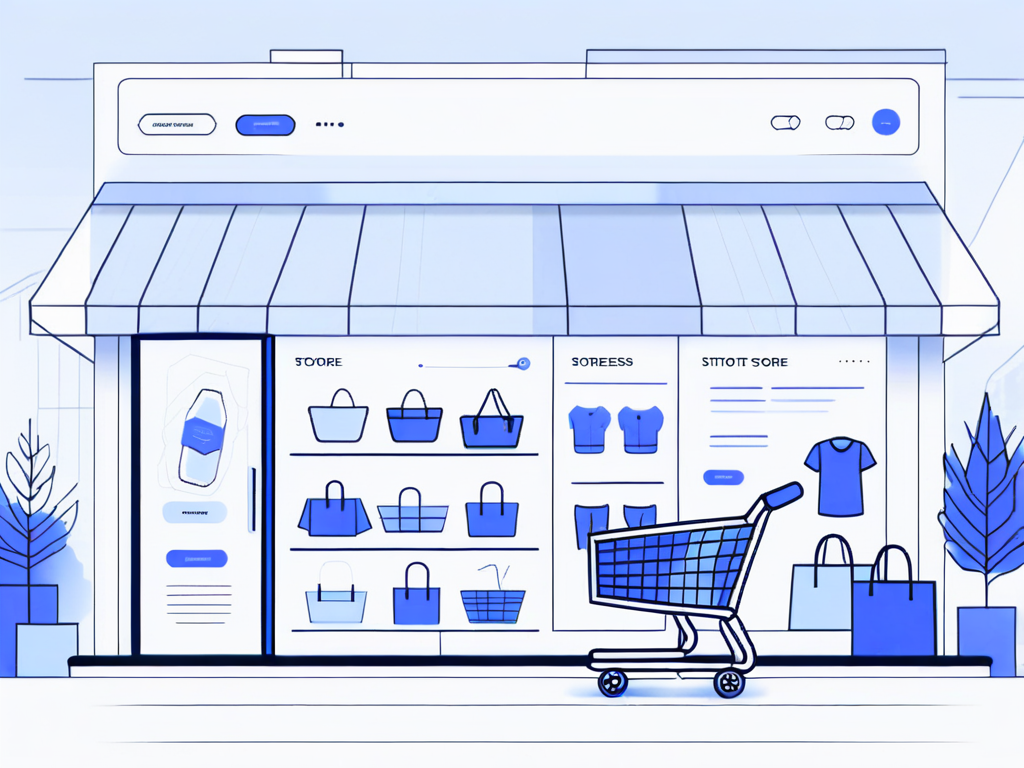
When designing your online store, it’s essential to consider the visual hierarchy of your website. Utilize contrasting colors and font sizes to guide users’ attention to key elements such as product listings, special promotions, and call-to-action buttons. Implementing a clean and organized layout will help customers find what they’re looking for quickly and efficiently.
Selecting the Right Themes and Plugins
Choose a visually appealing theme that aligns with your brand image and enhances your products. Look for themes that are mobile-responsive, as mobile shopping continues to rise in popularity. Additionally, consider installing plugins that can optimize your store’s functionality and enhance the overall shopping experience.
Customizing your online store with the right plugins can significantly impact its performance. Consider incorporating features like live chat support, product recommendation algorithms, and social media integration to engage customers and drive sales. By leveraging the power of plugins, you can create a dynamic and interactive shopping environment that sets your store apart from the competition.
Adding Products to Your Store
Product Sourcing and Management
Determine whether you will be selling your own products, dropshipping products, or using a combination of both. Research suppliers and manufacturers that align with your niche and offer quality products at competitive prices. Implement an efficient inventory management system to ensure accurate stock levels and timely order fulfillment.
When sourcing products for your store, consider factors such as product quality, pricing, shipping times, and customer reviews. Building strong relationships with suppliers can lead to better deals and faster shipping times, ultimately enhancing the customer experience. Additionally, conducting regular quality checks on your products can help maintain a high level of customer satisfaction and minimize returns.
Writing Effective Product Descriptions
Compelling product descriptions are essential for enticing potential customers and providing them with the key information they need to make a purchasing decision. Use persuasive language, highlight unique selling points, and include detailed product specifications. High-quality product images are also crucial for showcasing your products in the best possible light.
Consider incorporating storytelling into your product descriptions to create an emotional connection with your audience. By sharing the inspiration behind the product, its benefits, and how it can improve the customer’s life, you can make the product more relatable and appealing. Furthermore, optimizing your product descriptions with relevant keywords can improve your search engine rankings and attract more organic traffic to your online store.
Implementing Payment and Shipping Options
Understanding Different Payment Gateways
Choose a payment gateway that supports the payment methods preferred by your target audience. Popular payment gateways include PayPal, Stripe, and Square. Ensure that your payment processing is secure, protecting customer information and providing a seamless checkout experience.
When selecting a payment gateway, consider factors such as transaction fees, ease of integration with your e-commerce platform, and customer support options. It’s essential to understand the specific needs of your business and customers to make an informed decision. Additionally, some payment gateways offer features like recurring billing for subscription services or fraud prevention tools to enhance your online transactions.
Setting Up Shipping Methods
Offer a variety of shipping options to cater to different customer preferences. Research shipping carriers to find the most reliable and cost-effective options for your products and target market. Implement a transparent shipping policy, including estimated delivery times and any applicable shipping fees.
Consider implementing a real-time shipping calculator on your website to provide customers with accurate shipping costs based on their location and selected delivery method. This can help reduce cart abandonment rates and improve overall customer satisfaction. Furthermore, offering free shipping for orders over a certain amount can incentivize customers to purchase more items, increasing your average order value and boosting sales.
Marketing Your Online Store
SEO for E-commerce
Implementing SEO strategies is crucial for driving organic traffic to your online store. Conduct keyword research to identify relevant keywords and incorporate them into your product descriptions, category pages, and blog content. Optimize your store’s metadata, including title tags and meta descriptions, to improve search engine visibility.
Furthermore, consider implementing structured data markup on your website to help search engines better understand your content. This can lead to rich snippets in search results, enhancing your store’s visibility and click-through rates. Additionally, focus on building high-quality backlinks from reputable websites to improve your site’s authority and credibility in the eyes of search engines.
Social Media Marketing Strategies
Utilize the power of social media to promote your online store and engage with your target audience. Develop a social media marketing strategy that includes creating compelling content, running targeted ads, and collaborating with influencers. Regularly monitor social media analytics to track the effectiveness of your campaigns and make data-driven optimizations.
Moreover, consider leveraging user-generated content on social media platforms to showcase authentic interactions with your products. Encourage customers to share their experiences through reviews, photos, and videos, creating a sense of community around your brand. Engage with your followers by responding to comments and messages promptly, fostering a strong relationship with your audience.
Maintaining and Growing Your Online Store
Starting and maintaining an online store involves a multitude of tasks and strategies to ensure its success in the competitive digital landscape. One crucial aspect is customer service and support, which plays a pivotal role in building customer loyalty and generating repeat business. Implementing a user-friendly customer support system, such as live chat or email, can significantly enhance the overall shopping experience for your customers. By providing prompt assistance and resolving any issues efficiently, you can establish a strong rapport with your clientele.
Furthermore, encouraging customers to leave reviews and testimonials can help build trust and credibility for your online store. Positive feedback from satisfied customers not only attracts new buyers but also reinforces the loyalty of existing ones. Leveraging these testimonials as social proof can instill confidence in potential customers and drive conversions.
Customer Service and Support
Providing excellent customer service is crucial for building customer loyalty and generating repeat business. Implement a user-friendly customer support system, such as live chat or email, to assist customers with their inquiries and resolve any issues promptly. Encourage customers to leave reviews and testimonials to build trust and credibility.
Analyzing and Improving Store Performance
Regularly reviewing and analyzing your store’s performance metrics is essential for identifying strengths and areas for improvement. Key metrics such as conversion rate, average order value, and customer retention rate offer valuable insights into the effectiveness of your marketing and sales strategies. By leveraging this data, you can make informed decisions to optimize your store’s performance and drive sustainable growth.
Moreover, conducting A/B testing allows you to experiment with different strategies and determine the most effective approach for your online store. By testing variations in design, content, or promotional offers, you can gather valuable data on customer preferences and behavior. Analyzing the results of these tests enables you to refine your strategies and tailor them to maximize conversion rates and overall performance.
By following these step-by-step guidelines, you will be well-equipped to start your own successful online store in 2024. Embrace the digital revolution and leverage the power of e-commerce to reach a global audience and drive your business success.