Why you need a website for your business or personal brand
In today’s digital age, having a website is not just an option, but a necessity. Whether you’re an individual looking to enhance your personal brand or a business seeking to expand your online presence, a website is a powerful tool that can help you achieve your goals. In this article, we’ll explore the importance of having a website, the key benefits it offers, the essential elements that make a good website, and how to overcome common objections to creating one. We’ll also guide you through the steps to creating your own website from scratch.
Understanding the Importance of a Website
With the increasing reliance on the internet for information and services, websites have become the go-to resource for individuals and businesses alike. From finding product reviews to researching potential employers, the role of websites has evolved into a crucial aspect of our daily lives.
One of the primary roles of websites in today’s digital age is to serve as a virtual billboard, providing information about you or your business to a global audience. By having a website, you can establish an online presence and make yourself or your business easily accessible to anyone with an internet connection.
The Role of Websites in Today’s Digital Age
The internet has transformed the way we communicate, search for information, and conduct business. Websites act as a gateway, connecting individuals and businesses across distances, time zones, and cultures. They provide a platform for sharing ideas, showcasing products and services, and building an online community.
Having a website also allows you to leverage other online channels such as social media and email marketing. You can use your website as a central hub for all your online activities and direct your audience to important updates, promotions, or new content.
Furthermore, websites have become an essential tool for education and learning. Online courses and educational platforms have gained immense popularity, providing individuals with the opportunity to expand their knowledge and skills from the comfort of their own homes. Websites play a crucial role in hosting these courses, providing a user-friendly interface and a seamless learning experience.
How Websites Enhance Personal and Professional Image
Whether you’re a freelancer, a job seeker, or a business owner, having a website enhances your personal and professional image. It serves as a digital resume, giving potential employers or clients an overview of your skills, experience, and achievements.
For businesses, a professional website adds credibility and trustworthiness, making it more likely for visitors to convert into customers. It provides an opportunity to showcase your expertise, share customer testimonials, and highlight your unique selling proposition.
Moreover, websites allow for personalized interactions with customers. Through features like live chat support or contact forms, businesses can engage with their audience in real-time, addressing their queries and concerns promptly. This level of customer service not only enhances the overall user experience but also builds trust and loyalty.
In conclusion, the importance of websites in today’s digital age cannot be overstated. They serve as a virtual gateway, connecting individuals and businesses, and provide a platform for sharing information, showcasing products and services, and building an online presence. Whether you’re an individual or a business, having a website is crucial for enhancing your personal and professional image, establishing credibility, and engaging with your audience. So, if you haven’t already, it’s time to invest in a website and reap the numerous benefits it offers.
Key Benefits of Having a Website
Now that we understand the importance of having a website, let’s delve into the key benefits it offers.
Accessibility and Visibility on the Internet
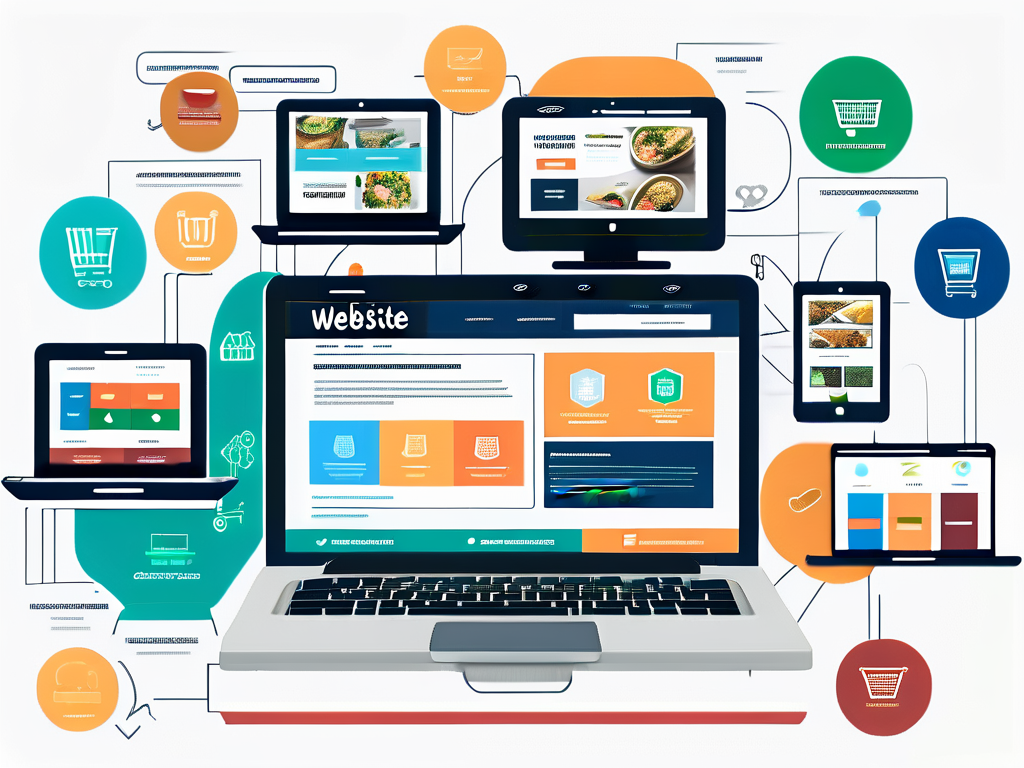
By having a website, you ensure that your information is just a click away for anyone searching for it. Whether someone is looking for your contact details, portfolio, or product catalog, having a website makes it easily accessible at any time.
Moreover, search engines like Google prioritize websites in their search results, meaning that having a website increases your visibility to potential visitors and customers. This visibility can significantly impact your online presence and overall success.
Building Credibility and Trust
A well-designed website with quality content helps build credibility and trust with your audience. It demonstrates that you take your online presence seriously and are committed to providing value.
In addition, websites offer a platform for customer reviews and testimonials. Positive feedback from satisfied customers can go a long way in building trust and encouraging others to engage with your brand.
Showcasing Your Skills or Products
A website provides an opportunity to showcase your skills, products, or services in a visually appealing and organized manner. You can include high-quality images, videos, or demonstrations to highlight your expertise and what sets you apart from your competitors.
No matter what industry you’re in, a website allows you to tell your story and engage your audience on a deeper level. It’s a chance to create a memorable experience and leave a lasting impression.
Furthermore, having a website opens up doors to endless possibilities for growth and expansion. With the right strategies in place, your website can become a hub for attracting new customers, generating leads, and increasing sales.
Additionally, a website serves as a central hub for all your online marketing efforts. It provides a platform to integrate various digital marketing channels such as social media, email marketing, and content marketing. By directing traffic from these channels to your website, you can maximize your online presence and reach a wider audience.
Moreover, a website allows you to stay ahead of the competition. In today’s digital age, having a strong online presence is crucial for businesses to stay relevant and competitive. By investing in a well-designed and user-friendly website, you can differentiate yourself from competitors who may not have an online presence or have an outdated website.
Lastly, a website provides valuable insights and data about your audience and their behavior. With tools like Google Analytics, you can track website traffic, user demographics, and engagement metrics. This data can help you make informed decisions and optimize your website to better meet the needs and preferences of your target audience.
Essential Elements of a Good Website
Now that we’ve explored the benefits of having a website, let’s discuss the essential elements that make a good website.
But first, let’s delve deeper into the importance of user-friendly design and navigation. A user-friendly design is not just about aesthetics; it is about creating an intuitive and seamless experience for your visitors. Clear navigation menus, intuitive layouts, and consistent branding contribute to a positive user experience. Imagine visiting a website where you struggle to find the information you need or get lost in a maze of confusing links. Frustrating, right? That’s why it’s crucial to prioritize user-friendly design and navigation to keep visitors engaged and ensure they can easily find the information they’re looking for.
Moreover, it’s essential to remember that visitors should be able to navigate your website effortlessly across different devices, including smartphones, tablets, and desktop computers. With the increasing use of mobile devices, having a responsive design that adapts to different screen sizes is no longer a luxury but a necessity. By ensuring your website is accessible and user-friendly across various devices, you can cater to a wider audience and provide a seamless experience regardless of the device they use.
Now, let’s move on to another crucial element of a good website: quality content and search engine optimization (SEO). High-quality content is the backbone of a successful website. It should not only be informative but also engaging and unique to capture the attention of your audience. Regularly updating your website with fresh content not only keeps your visitors coming back for more but also improves your chances of ranking higher in search engine results. When search engines see that your website offers valuable and relevant content, they are more likely to display it to users searching for related keywords.
However, having great content alone is not enough. Implementing search engine optimization (SEO) techniques ensures that your website is easily discoverable by search engines and relevant to the keywords related to your industry or niche. By optimizing your website’s structure, meta tags, and keywords, you increase your chances of attracting organic traffic and potential customers. SEO is an ongoing process that requires continuous monitoring and adjustment, but the rewards are worth it.
Lastly, let’s not forget about the importance of mobile responsiveness and website speed. In an increasingly mobile world, having a website that is mobile responsive is no longer an option but a necessity. A mobile-responsive design means that the layout and content of your website adjust seamlessly to different screen sizes, providing an optimal viewing experience for users on smartphones and tablets. By catering to mobile users, you ensure that your website is accessible to a significant portion of your audience.
In addition, website speed plays a significant role in user experience and SEO. Slow-loading websites lead to high bounce rates and a negative user experience. Think about the last time you visited a website that took forever to load. Did you stay or did you leave? Chances are, you left. Optimizing your website’s speed improves usability and increases the likelihood of visitors staying on your site. It’s not just about keeping your visitors happy; search engines also take website speed into account when ranking websites. So, by prioritizing website speed, you not only enhance user experience but also improve your chances of ranking higher in search engine results.
So, to recap, a good website incorporates user-friendly design and navigation, quality content and SEO, as well as mobile responsiveness and speed. By focusing on these essential elements, you can create a website that not only looks great but also provides a seamless and engaging experience for your visitors.
Overcoming Common Objections to Creating a Website
Now that we’ve covered the essential elements of a good website, let’s address some common objections and concerns people have when it comes to creating their own website.
Addressing Concerns about Time and Effort
Creating a website may seem like a daunting task, especially if you’re not familiar with web development. However, with the availability of user-friendly website builders and content management systems, the process has become much more accessible.
By investing some time initially to familiarize yourself with the platform of your choice, you can create and maintain a website that meets your needs and goals.
Imagine the satisfaction of seeing your website come to life, knowing that you have complete control over its content and design. With a little dedication and patience, you can create a website that showcases your unique style and vision.
Debunking Myths about Technical Difficulty
Another common concern is the fear that building a website requires technical expertise. While some technical knowledge can be helpful, many website builders offer drag-and-drop functionality and pre-designed templates that require no coding experience.
By leveraging these tools, you can focus on creating compelling content and an attractive design without getting caught up in technical complexities.
Imagine the freedom of expressing your creativity without worrying about the technical aspects. With user-friendly website builders, you can unleash your imagination and bring your ideas to life, all without writing a single line of code.
Discussing Cost-Effective Solutions
Cost is often a primary concern when considering creating a website. While custom-built websites can be expensive, there are cost-effective solutions available.
Website builders offer various pricing plans, some even with free options, making it possible to create a website within a reasonable budget. Additionally, many web hosting providers offer affordable packages that include everything you need to get started.
Imagine the possibilities that open up when you realize that creating a professional website doesn’t have to break the bank. With cost-effective solutions, you can allocate your resources wisely and invest in other areas of your business or personal endeavors.
Steps to Creating Your Own Website
Now that we’ve addressed common concerns and objections, let’s walk you through the steps to creating your own website.
Creating a website can be an exciting and rewarding endeavor. Whether you’re starting a blog, launching an online store, or showcasing your portfolio, having a strong online presence is essential in today’s digital age. So, let’s dive into the details and explore the key steps involved in bringing your website to life.
Choosing the Right Platform and Domain Name
The first step is to choose the right platform for building your website. Consider your technical skills, budget, and specific needs. Popular platforms like WordPress, Wix, and Squarespace offer user-friendly interfaces and a wide range of customizable templates to suit various purposes.
Once you’ve selected a platform, it’s time to choose a domain name that reflects your brand or purpose. Your domain name is like your website’s address on the internet, so it’s important to choose wisely. Keep it simple, memorable, and relevant to your industry or niche. A well-chosen domain name can make a lasting impression and help visitors find your website easily.
Planning Your Website’s Structure and Design
Before diving into designing your website, take the time to plan its structure and layout. Consider the main pages you’ll need, the organization of your content, and any additional functionalities or features you want to incorporate. A well-structured website ensures a seamless user experience and helps visitors find the information they need quickly and easily.
When designing your website, it’s important to follow the principles of user-friendly design we discussed earlier. Choose a clean and professional design that aligns with your brand identity and effectively communicates your message. Pay attention to typography, color schemes, and imagery to create a visually appealing and cohesive website.
Launching and Promoting Your Website
Once you’ve built your website, it’s time to launch it and promote it to your target audience. Start by optimizing your website for search engines (SEO) to improve its visibility in search results. Use relevant keywords, meta tags, and descriptive URLs to make it easier for search engines to understand and rank your website.
Additionally, leverage the power of social media platforms, email marketing, and other online channels to drive traffic to your website. Engage with your audience by sharing valuable content and encouraging interaction through comments, reviews, or a contact form. Building a strong online presence takes time and effort, but with consistent promotion and engagement, you can attract and retain a loyal audience.
Remember, creating a website is just the beginning. Regularly update and maintain your website to keep it fresh and relevant. Monitor its performance using analytics tools and make necessary adjustments to improve user experience and achieve your goals. With dedication and perseverance, your website can become a valuable asset that helps you achieve your online objectives.
Conclusion
In today’s digital age, a website is a powerful tool that can enhance both your personal and professional image. It offers accessibility, builds credibility, and allows you to showcase your skills or products to a global audience.
By understanding the importance of having a website, overcoming common objections, and following the steps to create one, you can take advantage of the numerous benefits it offers. So, don’t hesitate – start building your website today and unlock your full online potential.