What is Email Hosting?

Email hosting has become an integral part of many businesses today. With the increasing reliance on email communication, it has become crucial to have a reliable and efficient email hosting service. In this article, we will explore the basics of email hosting, the different types available, the features to look for, the benefits it offers, how to choose the right provider, and the future trends in this field.
Understanding the Basics of Email Hosting
Email hosting is a service that allows businesses to have their own email accounts using their own domain name. This means that instead of using a generic email service like Gmail or Yahoo, businesses can have email addresses that reflect their brand name, such as info@yourbusiness.com. Email hosting providers offer the infrastructure and resources required to send, receive, and store emails.
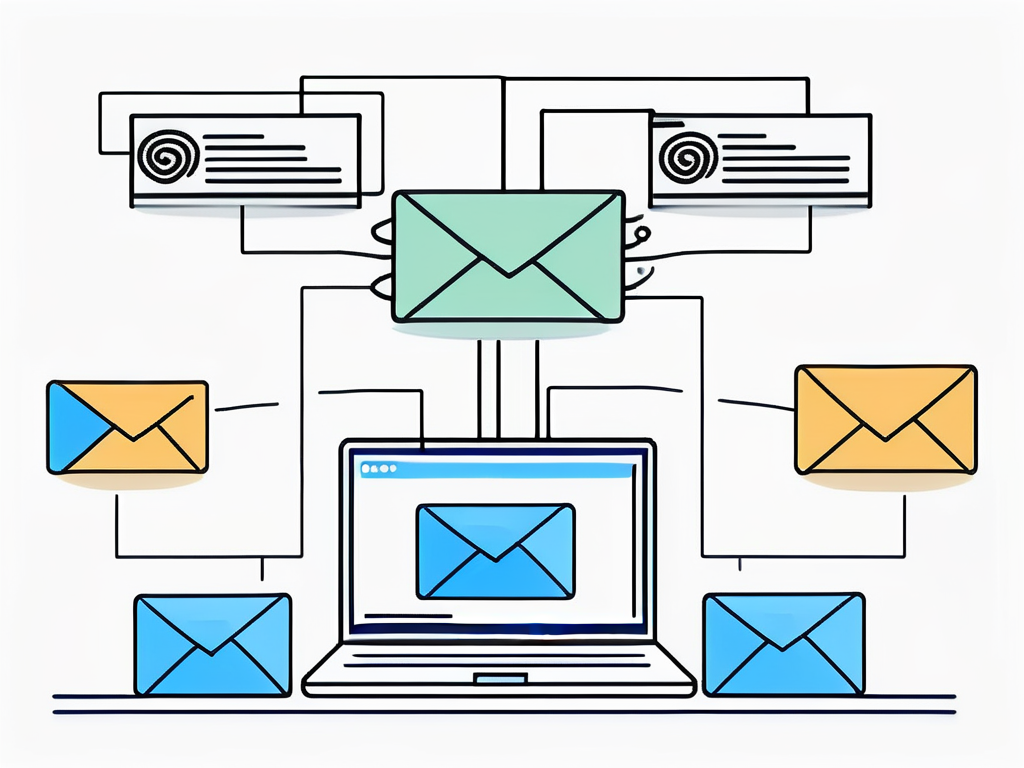
When a business opts for email hosting, they are essentially leasing space on a server specifically dedicated to handling email communication. This server is equipped with advanced security measures to protect sensitive information and prevent unauthorized access. Additionally, email hosting services often include features such as spam filtering, virus protection, and data encryption to ensure the integrity of email correspondence.
Defining Email Hosting
Simply put, email hosting involves the use of specialized servers that manage email accounts and provide all the necessary tools and features for efficient email communication. These servers are designed to handle the specific demands of email traffic, ensuring reliable delivery and secure storage of emails.
Furthermore, email hosting services typically offer scalability, allowing businesses to easily adjust their email storage capacity as their needs evolve. This flexibility is particularly beneficial for growing companies that anticipate an increase in email volume over time. By choosing a reputable email hosting provider, businesses can streamline their communication processes and enhance overall productivity.
The Role of Email Hosting in Business
Email hosting plays a vital role in business communication. It allows businesses to have full control over their email accounts, ensuring privacy, security, and professionalism. Companies can create multiple email accounts for their employees, assign specific permissions, and customize email settings to meet their unique requirements.
Moreover, email hosting enables seamless integration with other business tools and applications, such as calendars, task managers, and customer relationship management (CRM) systems. This integration fosters collaboration among team members and facilitates efficient workflow management. With email hosting, businesses can centralize their communication channels and establish a cohesive digital infrastructure that supports their operational objectives.
The Different Types of Email Hosting
There are several types of email hosting services available, each catering to different business needs. Let’s explore some of the popular options:

Shared Email Hosting
In shared email hosting, multiple businesses share the same server and resources. This can be a cost-effective option for small businesses with limited email requirements. However, since resources are shared, there may be limitations on storage capacity and scalability.
Shared email hosting is akin to renting a room in a shared house. While it offers a budget-friendly solution, businesses may experience slower performance during peak times when server resources are divided among multiple users. It’s important for businesses to consider their growth projections when opting for shared hosting to ensure that it can accommodate future needs.
Dedicated Email Hosting
Dedicated email hosting provides businesses with a dedicated server for their email accounts. This ensures greater performance, scalability, and security. It is suitable for businesses that have significant email traffic, require customization options, and demand high levels of security.
Imagine having a private villa solely for your business emails. Dedicated hosting offers unparalleled control and customization, allowing businesses to tailor their email environment to meet specific requirements. With dedicated resources at their disposal, businesses can experience faster email processing speeds and enhanced security measures to protect sensitive data.
VPS Email Hosting
Virtual Private Server (VPS) email hosting offers a balance between shared and dedicated hosting. It provides businesses with a virtual server that is partitioned into multiple smaller servers, each with dedicated resources. This option offers more control and scalability compared to shared hosting, without the higher cost of a dedicated server.
Think of VPS email hosting as owning a condominium in a high-rise building. Each business has its own private space within the shared infrastructure, allowing for customization and scalability while benefiting from cost efficiencies. VPS hosting is ideal for businesses seeking a middle ground between shared and dedicated hosting, offering a flexible solution that can adapt to evolving email needs without breaking the bank.
Features of a Good Email Hosting Service
When considering an email hosting service, there are certain features that businesses should look for:
Storage Capacity
Adequate storage space is essential to ensure that businesses can store and access their emails without any limitations. Look for providers that offer generous storage allowances or options to scale up as your business grows.
Having ample storage capacity not only allows for the archiving of important emails and attachments but also ensures that employees can easily access past communications for reference or compliance purposes. It also enables the seamless integration of other business tools and applications that may generate a high volume of email traffic.
Security Measures
Security is of utmost importance when it comes to email communication. Look for features such as virus and spam filters, encryption protocols, and secure servers to protect sensitive information and prevent unauthorized access.
In addition to these standard security measures, some email hosting services offer advanced threat detection capabilities that use artificial intelligence and machine learning algorithms to identify and block sophisticated cyber threats in real-time. This proactive approach helps safeguard sensitive data and ensures business continuity in the face of evolving cybersecurity risks.
Accessibility and User Interface
An intuitive and user-friendly interface makes managing email accounts and performing tasks much easier. Look for features like webmail access, mobile compatibility, and integration with popular email clients to ensure convenience and productivity.
Furthermore, a responsive user interface that adapts seamlessly to various devices and screen sizes enhances the overall user experience, allowing employees to stay connected and productive while on the go. Integration with collaboration tools such as calendars, task managers, and document sharing platforms further streamlines workflow and communication within the organization.
The Benefits of Professional Email Hosting
Professional email hosting offers numerous benefits for businesses:
Enhanced Security
By relying on a professional email hosting service, businesses can leverage robust security measures to protect their sensitive data. Encrypted connections, spam filters, and firewalls provide a secure environment for email communication.
Greater Storage Space
Professional email hosting services provide ample storage space, allowing businesses to store a large number of emails and attachments. This ensures that important information is easily accessible and not lost due to limited storage capacity.
Professionalism and Branding
With professional email hosting, businesses can create email addresses that incorporate their domain name. This enhances brand identity and professionalism, leaving a positive impression on clients and customers.
Moreover, professional email hosting services often come with additional features such as calendar integration, task management tools, and collaborative platforms. These tools streamline communication and enhance productivity within the organization, making it easier for teams to work together efficiently.
24/7 Technical Support
Another advantage of professional email hosting is the availability of round-the-clock technical support. In case of any email-related issues or queries, businesses can rely on dedicated support teams to provide prompt assistance and ensure uninterrupted email communication.
Choosing the Right Email Hosting Provider
Selecting the right email hosting provider is crucial for the smooth operation of your business communication. Here are some factors to consider:

When choosing an email hosting provider, it’s essential to assess your business needs thoroughly. Consider the size of your organization, the volume of emails you send and receive daily, and any specific features or integrations you may require. Scalability is also a critical factor to keep in mind, as your business may grow and your email hosting needs may change over time.
Factors to Consider
Assess your business needs and determine the specific features and resources you require. Consider factors such as scalability, uptime guarantees, customer support, and pricing plans to make an informed decision.
Another crucial aspect to consider is the level of security offered by the email hosting provider. Look for providers that offer robust security measures such as encryption, spam filters, and malware protection to safeguard your sensitive business data and communications.
Evaluating Provider Reputation and Reliability
Research and read reviews about potential email hosting providers. Look for providers with a strong track record, reliable infrastructure, and positive customer feedback. Choose a provider that has a reputation for excellent customer support to ensure any issues are resolved promptly.
Additionally, consider the provider’s uptime guarantees and service level agreements (SLAs). Downtime can significantly impact your business operations, so opting for a provider with a high uptime percentage and reliable performance is crucial. Some providers may offer compensation for downtime, which can provide added peace of mind for your business.
Transitioning to a New Email Hosting Service
Transitioning to a new email hosting service may seem daunting, but with careful planning, it can be a smooth process. Here are some steps to follow:
When transitioning to a new email hosting service, it’s essential to consider factors such as the size of your organization, the volume of emails being transferred, and the specific features you require from the new service. Conduct a thorough evaluation of different email hosting providers to find one that best fits your needs.
Steps for a Smooth Transition
Back up your existing emails and data before migrating to the new service. Communicate the transition plan to your employees, providing clear guidance on how to set up their email accounts. Test the new email hosting service thoroughly before fully transitioning.
Additionally, create a timeline for the transition process, outlining key milestones and deadlines to ensure a structured and organized migration. Consider conducting training sessions for employees to familiarize them with the new email platform and address any questions or concerns they may have.
Potential Challenges and Solutions
During the transition, some challenges may arise, such as data loss or email downtime. To minimize disruptions, choose a provider that offers migration assistance and reliable customer support to address any issues that may occur.
It’s also important to communicate regularly with your employees throughout the transition period, providing updates on the progress and addressing any feedback or issues that arise. By maintaining open lines of communication and being transparent about the process, you can help alleviate any concerns and ensure a successful migration to the new email hosting service.
The Future of Email Hosting
Email hosting continues to evolve, keeping pace with technological advancements and changing trends in the business world. Here are some emerging trends to watch out for:
Emerging Trends
Integration with cloud storage platforms, artificial intelligence-powered email management, and enhanced privacy features are some of the trends shaping the future of email hosting. Continuous innovation in security and usability will further enhance the capabilities of email hosting services.
Another significant trend in email hosting is the rise of mobile optimization. With the increasing use of smartphones and tablets for business communication, email hosting providers are focusing on ensuring seamless access and functionality across various mobile devices. This includes responsive design for emails, mobile-friendly interfaces, and integration with productivity apps to enhance user experience on the go.
How to Stay Updated
To stay updated with the latest advancements in email hosting, follow industry experts, read reputable technology publications, and engage with email hosting communities. Regularly reviewing your business needs and exploring new features can ensure you make the most of your email hosting service.
Furthermore, attending webinars and conferences dedicated to email hosting can provide valuable insights into upcoming technologies and best practices in the industry. Networking with professionals in the field can also offer opportunities for collaboration and knowledge sharing, keeping you at the forefront of email hosting innovations.
In conclusion, email hosting is an essential service for businesses today. By understanding the basics, exploring the different types, considering important features, and choosing the right provider, businesses can enjoy the benefits of professional email hosting while ensuring secure and efficient communication. Staying informed about emerging trends will enable businesses to adapt and leverage the latest advancements in email hosting services.